| Category | Green Certification | Environmental Building Analysis |
|---|---|
| Year | 2017 |
| Size | 600,000sqm |
Projects
Jurong Regional Line
Infrastructure for the Future
Where public transport and its infrastructure are concerned, nothing is more frustrating than being assaulted by humidity and/or monsoon rains on top of poorly conceived linkways and congested platforms. In this vein, intelligent transport infrastructure design is perhaps defined by two key things: effective spatial zoning to facilitate heavy pedestrian traffic and energy efficiencies that will deliver comfort to commuters at all times.
So, when tasked with the Jurong Regional Line project, our goal was to enable the architecture of Singapore’s seventh Mass Rapid Transit (MRT) line to function beyond aesthetics and effective spatial zoning. To do so, we worked closely alongside DPA and other external architects to develop a bioclimatic design for this major infrastructure project in the west of Singapore, which includes two MRT stations, a large remote stabling facility, a major 200,000 m2 bus and rail depot, and foreign workers dormitory on a 50ha main depot site.
Details
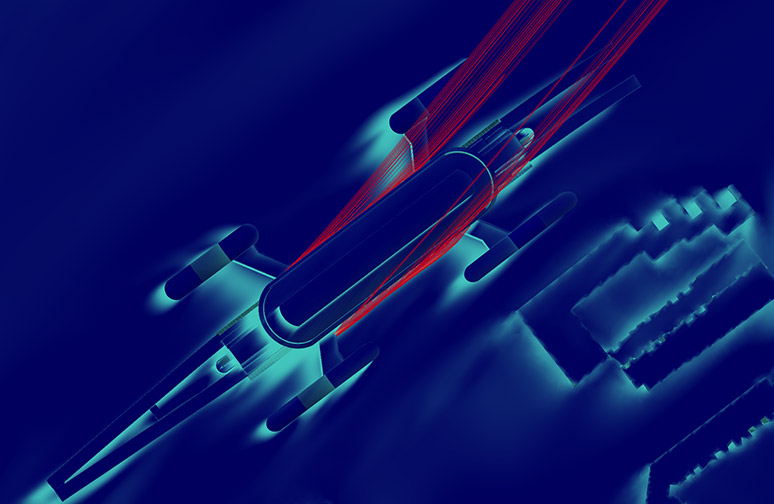
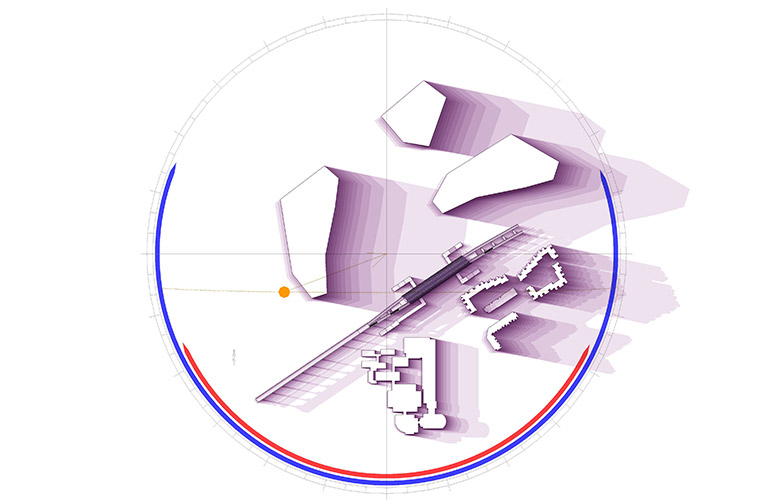
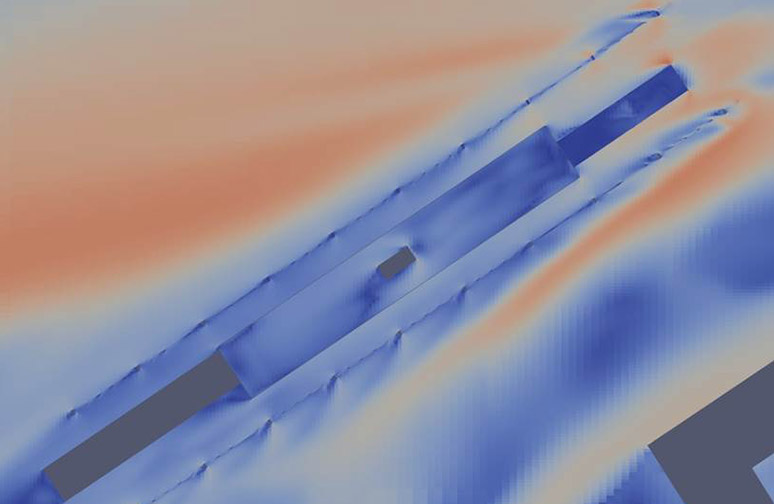
We developed comprehensive Green Mark Platinum strategies for each of the eight key buildings in the project, which included extensive Bioclimatic design studies, consultancy on chiller and lighting system optimisation and feasibility for PV panels on the MRT station and depot building roofs.
The project was a challenge, not only due to the building scale and site constraints but also due to the wide range of stringent client and end-user requirements that transport infrastructure projects present. By defining the fundamental design objectives from the outset, we were able to exceed the client brief and optimise environmental performance, by iteratively working through each design issue with the project team.
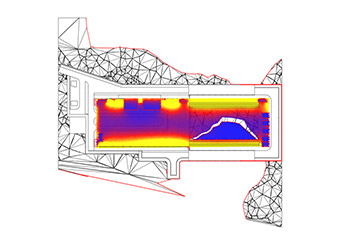
Daylight analysis was performed to optimise the penetration of natural light into the relatively deep plan depot maintenance and train stabling areas. The objective was to reduce the reliance on electrical lighting whilst not compromising the weather protection capabilities of the porous façade.
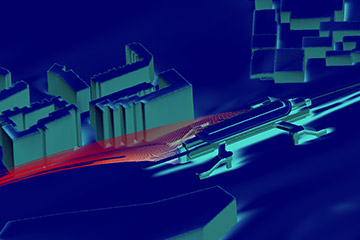
Wind-driven rain analysis was conducted for each façade and roof type in the project to find a balance between ventilation and adequate weather protection. Careful consideration was required for the MRT stations in particular due to the open roof design.
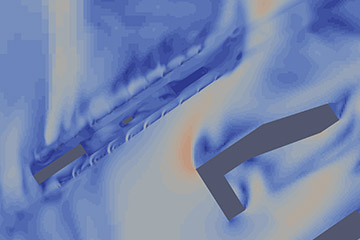
For the MRT stations CFD analysis of the prevailing winds informed the roof design, which was developed to promote cross ventilation and capture and channel wind from high level down to passengers on the platform.
For the MRT stations, our main focus was on optimising thermal comfort and energy performance through solar shading and natural ventilation, whilst also protecting the public from wind-driven rain at platform and concourse level. A large part of this was achieved through a well-considered roof and façade design that allows enough air to flow into and across the platform at the high and low levels, without comprising its capability to protect from wind-driven rain.
For the main depot site, we worked with the architect to optimise natural daylight levels to the administration office areas by assessing a range of light-shelf and light-well designs. These will bring natural daylighting into the core of the building and help optimise the bus and rail depot façade design through CFD and wind-driven rain simulation.
We also developed the overall Green Mark Platinum strategies for each of the eight key buildings in the project, provided consultancy on chiller and lighting system optimisation and assessed the feasibility for PV panels on the MRT station and depot building roofs.
Specialist Services
Integrated services provided for this project.